What Is the Circular Economy?
The circular economy is an economic model designed to eliminate waste and keep materials, products, and resources in use for as long as possible. Unlike the traditional take-make-dispose approach, a circular economy creates closed-loop systems where the end of one product’s life becomes the beginning of another. The goal is to decouple economic growth from the consumption of finite resources.
The concept has roots in industrial ecology and the work of economists like Kenneth Boulding, who in 1966 contrasted the “cowboy economy” of unlimited consumption with a “spaceship economy” of closed cycles. In the 1970s and 1980s, Walter Stahel and Genevieve Reday-Mulvey outlined the economic benefits of longer product lifespans. The term gained mainstream traction in the 2010s, largely through the work of the Ellen MacArthur Foundation, which formalized a comprehensive framework that has since been adopted by governments, multinational corporations, and supranational bodies such as the European Union.
At its core, the circular economy definition encompasses three interconnected ambitions: designing out waste and pollution, keeping products and materials in use at their highest value, and regenerating natural systems. It applies to biological materials — nutrients that can safely re-enter the biosphere — and technical materials — plastics, metals, and synthetics that should remain in industrial cycles.
Linear Economy vs Circular Economy
To understand the significance of the circular model, it helps to contrast it with the dominant linear economy. The linear model follows a simple sequence: extract raw materials, manufacture a product, sell it to a consumer, and discard it after use. This “cradle-to-grave” flow has driven industrial prosperity for over two centuries, but at an escalating environmental cost.
In a linear economy, approximately 91% of the materials extracted globally each year never return to productive use. They end up as landfill, incinerated, or dispersed into the environment, where they create pollution — including the microplastics increasingly found in oceans, soils, and human tissue. The linear model also leaves businesses chronically exposed to commodity price volatility and supply chain disruptions.

The linear vs circular economy contrast is not merely about recycling. Circularity challenges the design phase itself: products should be conceived from the outset to be disassembled, repaired, reused, or remanufactured. This requires systemic change across supply chains, product design, business models, and consumer behaviour. The economic prize is substantial — the Ellen MacArthur Foundation estimates the circular transition could generate over €1.8 trillion in net material savings in Europe alone by 2030.
The Three Principles of the Circular Economy
The Ellen MacArthur Foundation’s framework, updated in 2021, organises circular economy thinking around three core principles that apply across all sectors and scales of activity.
- Eliminate waste and pollution. Waste and pollution are not inevitable by-products of economic activity — they are the consequence of poor design choices. By redesigning products, services, and systems, businesses can prevent waste from being created in the first place, rather than managing it after the fact. This includes eliminating single-use packaging, toxic substances, and obsolescence built into products.
- Circulate products and materials at their highest value. Products should remain in use for as long as possible. When they can no longer be used in their current form, their components, parts, or raw materials should feed back into productive cycles — technical or biological — at the highest possible quality. This distinguishes circularity from simple recycling, which often results in down-cycling to lower-value applications.
- Regenerate nature. The circular economy does not merely aim to reduce harm to natural systems; it actively seeks to restore them. This means returning nutrients to soils, protecting biodiversity, and managing land use in ways that rebuild ecosystem health. Regenerative agriculture and sustainable forestry are central to this principle.
These principles work together. Eliminating waste reduces pressure on ecosystems; circulating materials reduces the need to extract virgin resources; regenerating nature ensures the biosphere can continue to provide the services — clean water, stable climate, fertile soils — on which all economic activity ultimately depends.
Circular Economy in Practice: Key Strategies
Moving from principle to practice, the circular economy manifests through a hierarchy of strategies, sometimes visualised as the “R-ladder” or “butterfly diagram.” The higher up the ladder a strategy sits, the more value it preserves.
- Refuse and rethink. The most circular option is often not to produce or consume a product at all, or to redesign the need it fulfils. Mobility-as-a-service platforms, for example, replace car ownership with shared access, reducing total vehicle production.
- Repair and reuse. Extending the life of existing products through maintenance, repair, and resale keeps embodied energy and materials in use without the energy costs of remanufacturing.
- Refurbishment. Products — particularly electronics and machinery — are restored to working order, often with upgraded components. Refurbished smartphones represent a rapidly growing market segment globally.
- Remanufacturing. Industrial components are disassembled, cleaned, inspected, and rebuilt to original performance specifications. The automotive sector is a leader in remanufacturing, with engines, gearboxes, and alternators routinely rebuilt at a fraction of the cost of new parts.
- Recycling. When a product can no longer be used in its existing form, its materials are recovered and processed into new raw materials. Plastic recycling is one of the most technically complex and policy-driven areas, given the diversity of polymer types and contamination challenges.
- Composting and anaerobic digestion. Organic materials — food waste, agricultural residues, bioplastics — re-enter the biosphere as compost or biogas. Industrial composting facilities and on-site digesters transform what would otherwise be landfill into soil amendments and renewable energy.
The most effective circular economy strategies combine several of these approaches simultaneously. A washing machine manufacturer might design for disassembly (enabling repair and remanufacturing), operate a take-back scheme (enabling material recovery), and use recycled steel in new production (closing the loop on materials).
Circular Economy in Europe: EU Policy and Targets
Europe has positioned itself as the global leader in circular economy policy. The EU Circular Economy Action Plan, first adopted in 2015 and significantly strengthened in the 2020 edition, sits at the heart of the European Green Deal. The plan sets out a comprehensive legislative agenda covering the full lifecycle of products.
Key elements of circular economy in Europe policy include:
- Ecodesign for Sustainable Products Regulation (ESPR). Extending the original Ecodesign Directive from energy-using products to almost all categories of goods sold in the EU. Manufacturers must meet minimum requirements on durability, repairability, recyclability, and recycled content.
- Right to Repair. EU legislation adopted in 2024 grants consumers the right to have common household appliances repaired rather than replaced, and requires manufacturers to supply spare parts at reasonable prices for at least ten years.
- Packaging and Packaging Waste Regulation (PPWR). Ambitious targets to reduce packaging waste per capita by 15% by 2040, phased restrictions on unnecessary single-use formats, and mandatory recycled content requirements for plastic packaging.
- Critical Raw Materials Act. Targets to ensure at least 25% of EU demand for strategic materials — lithium, cobalt, rare earths — is met through domestic recycling by 2030, reducing dependence on geopolitically sensitive import sources.
- Corporate Sustainability Reporting Directive (CSRD). Requires large companies to disclose detailed information on circular economy metrics, enabling investors and customers to assess performance.
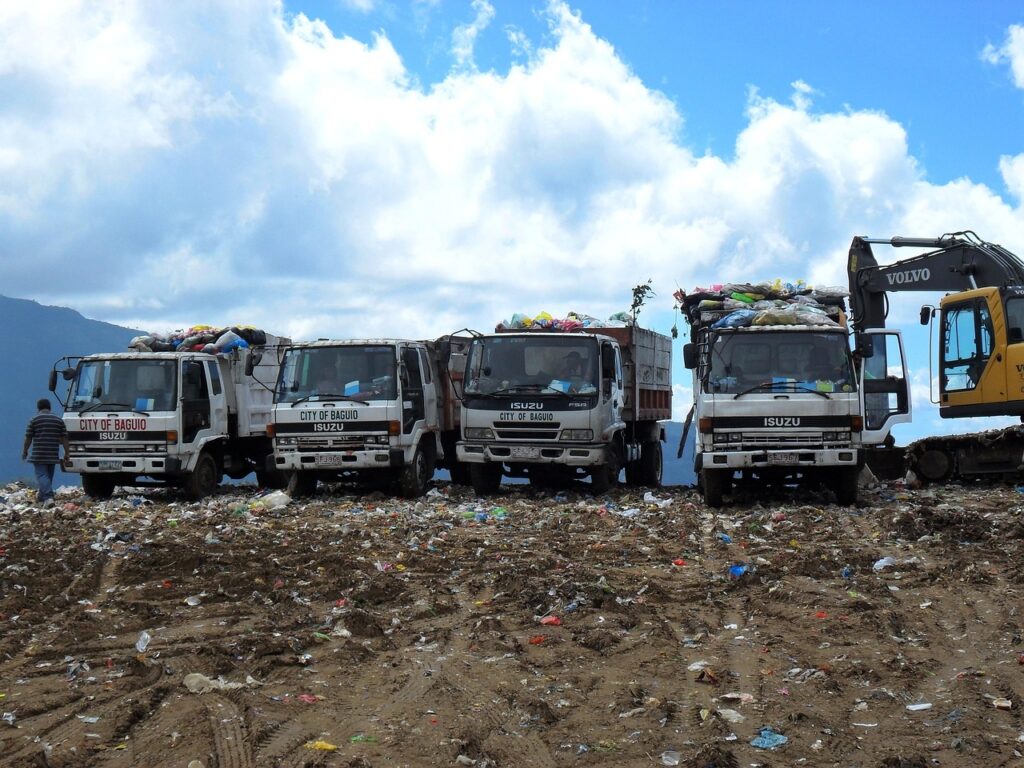
The EU has also set sector-specific targets: 55% of municipal waste recycled by 2025, 70% of packaging waste recycled by 2030, and full circularity ambitions for batteries, textiles, construction materials, electronics, and food.
Extended Producer Responsibility (EPR)
Extended Producer Responsibility (EPR) is a policy principle that assigns responsibility for a product’s end-of-life management to the producer, not the taxpayer or municipality. Under EPR frameworks, manufacturers, importers, and brand owners must finance and organise the collection, sorting, and recycling of their products once consumers discard them.
EPR schemes exist across the EU for packaging, batteries, electrical and electronic equipment (WEEE), vehicles, and tyres. The systems vary by country but typically operate through Producer Responsibility Organisations (PROs) — collective bodies that pool producer contributions to fund waste management infrastructure. Fees are increasingly modulated (“eco-modulated”) based on the recyclability, recycled content, and environmental impact of the packaging or product: products designed for circularity pay lower fees, incentivising sustainable design from the outset.
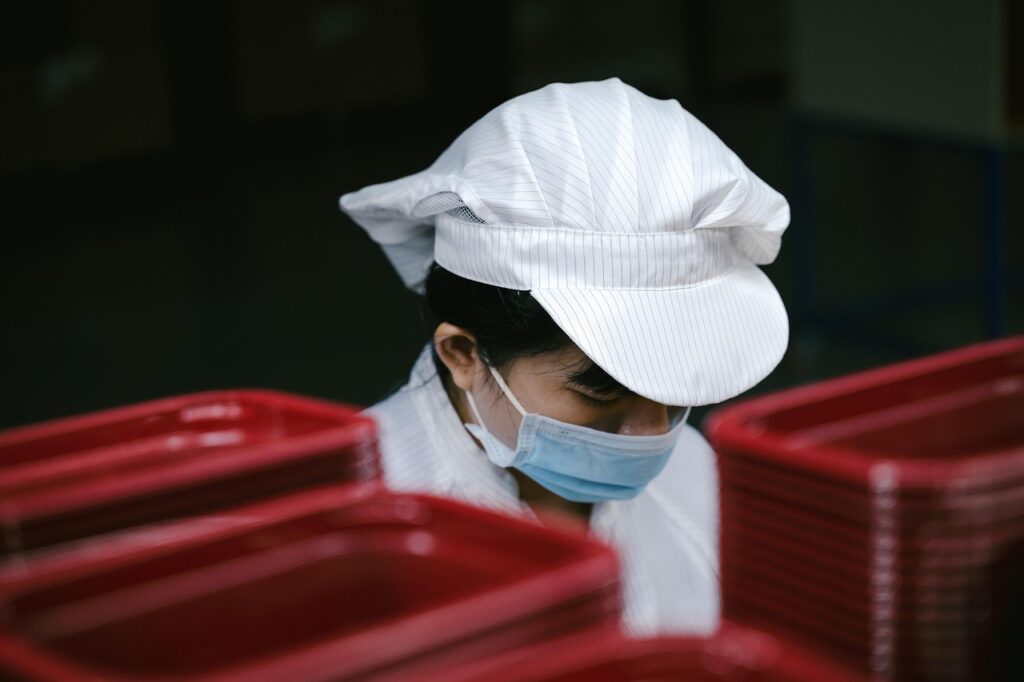
The EU’s revised EPR frameworks, aligned with the Single Use Plastics Directive and the PPWR, are harmonising requirements across member states to reduce market fragmentation. Producers operating across multiple EU markets increasingly face a single, consistent framework rather than 27 separate national schemes. For businesses in the recycling and waste management sector, robust EPR creates a reliable and growing stream of material to process, supporting investment in infrastructure and technology.
Critics of EPR argue that without strict enforcement and transparent reporting, fees can become a “license to pollute” that does not genuinely incentivise design change. Best-practice EPR systems therefore include performance targets, independent auditing, and penalties for non-compliance.
Circular Economy Business Models (Examples)
The transition to a circular economy is not solely a matter of environmental compliance — it is creating commercially attractive new business models. Circular economy examples from leading companies illustrate the diversity of approaches.
- Product-as-a-Service (PaaS). Instead of selling a product, a company sells access to its function. Rolls-Royce’s “Power by the Hour” model charges airlines per hour of thrust, not per engine. Michelin sells kilometres driven, not tyres. This keeps ownership with the manufacturer, who has every financial incentive to build durable, maintainable products.
- Take-back and refurbishment programmes. H&M’s garment collection scheme, Caterpillar’s remanufacturing division, and Apple’s trade-in programme all recover end-of-life products, extract residual value, and feed materials into new production cycles.
- Industrial symbiosis. The Kalundborg industrial park in Denmark — often cited as the world’s first industrial symbiosis network — has linked an oil refinery, power plant, pharmaceutical manufacturer, wallboard producer, and fish farm since the 1970s. Waste heat, gypsum, fly ash, and organic sludge from one plant become inputs for another, reducing both costs and environmental impact.
- Sharing platforms. Platforms such as Airbnb, Uber, and tool-sharing cooperatives increase asset utilisation rates dramatically, reducing the total number of products needed to serve a given level of demand.
- Recycled-content products. Companies including Patagonia, Interface carpet, and multiple European packaging manufacturers now build their supply chains around post-consumer recycled materials, creating demand that supports collection infrastructure.
Challenges and Barriers to Circularity
Despite compelling evidence for the economic and environmental case for the circular economy, the transition faces significant structural barriers.
- Design for disposal. Decades of optimising for lowest initial production cost have produced products that are difficult or impossible to repair, upgrade, or disassemble. Fast fashion, electronics, and single-use packaging remain challenging sectors.
- Virgin material subsidies. In many jurisdictions, virgin raw material extraction benefits from tax concessions, subsidised energy, and externalised environmental costs. This artificially suppresses the price of virgin materials relative to recycled alternatives, undermining the economic case for circularity.
- Infrastructure gaps. Collection, sorting, and recycling infrastructure is unevenly developed across Europe and globally. Rural collection rates, cross-contamination in sorting streams, and the absence of industrial-scale processing for complex material streams (multi-layer packaging, composite materials) remain significant bottlenecks.
- Consumer behaviour. Reuse, repair, and sharing require active participation from consumers. Cultural norms favouring novelty, convenience, and status through product ownership slow adoption of circular consumption patterns.
- Financial and investment barriers. Circular business models often require higher upfront investment in durable design and take-back logistics, with returns realised over longer time horizons than conventional linear models. Access to patient capital and appropriate accounting frameworks remains a challenge.
- Regulatory fragmentation. Despite EU harmonisation efforts, national differences in waste definitions, end-of-waste criteria, and EPR rules create compliance complexity for businesses operating across borders.
Benefits: Environmental, Economic and Social
The case for the circular economy rests on converging evidence across environmental, economic, and social dimensions.
Environmental benefits include significant reductions in greenhouse gas emissions — the Ellen MacArthur Foundation estimates that circular strategies in five key industries could eliminate 9.3 billion tonnes of CO₂ equivalent per year by 2050. Circular approaches reduce land use, water consumption, and toxic pollution. They also directly address the plastic pollution crisis: reducing virgin plastic production and improving end-of-life management is essential to stemming the flow of microplastics into ecosystems.
Economic benefits include reduced exposure to raw material price volatility, new revenue streams from recovered materials and refurbished products, and lower total cost of ownership for consumers and businesses that choose durable, serviceable products. The European Commission estimates the circular transition could add €600 billion to EU businesses annually and create 700,000 new jobs by 2030.
Social benefits include local job creation in repair, remanufacturing, and waste management — sectors that are largely resistant to offshoring. Affordable access to refurbished goods improves quality of life for lower-income households. Circular supply chains are also more resilient, reducing dependency on geopolitically concentrated raw material sources.
Frequently Asked Questions
What is the simplest circular economy definition?
The circular economy is an economic model in which products and materials are kept in use for as long as possible, waste is minimised by design, and natural systems are actively regenerated — in contrast to the linear “take-make-dispose” model.
How does the circular economy differ from recycling?
Recycling is just one strategy within the broader circular economy. Circularity prioritises higher-value strategies first: refusing unnecessary production, reusing and repairing products, then remanufacturing components, and only as a last resort recovering materials through recycling. True circularity also addresses product design and business models, not just end-of-life waste management.
What is the EU Circular Economy Action Plan?
The EU Circular Economy Action Plan, significantly updated in 2020 as part of the European Green Deal, is a comprehensive legislative and policy programme covering product design (Ecodesign Regulation), packaging (PPWR), textiles, electronics, construction, food, and waste. It sets binding targets and introduces tools such as the Digital Product Passport to track material flows through supply chains.
What role does extended producer responsibility play?
Extended producer responsibility (EPR) makes manufacturers financially and operationally responsible for the end-of-life management of their products. EPR schemes exist across the EU for packaging, WEEE, batteries, and vehicles. Eco-modulated fees incentivise producers to design more recyclable products by linking the cost of compliance to product circularity.
What are the biggest barriers to a circular economy transition?
The main barriers are design practices optimised for low initial cost rather than durability or recyclability, financial incentives that favour virgin materials over secondary raw materials, insufficient collection and recycling infrastructure in many regions, and consumer habits shaped by decades of linear consumption patterns. Policy alignment, investment in infrastructure, and changes in product design standards are all required simultaneously.


[…] Circular Economy […]