Textile EPR under the revised Waste Framework Directive
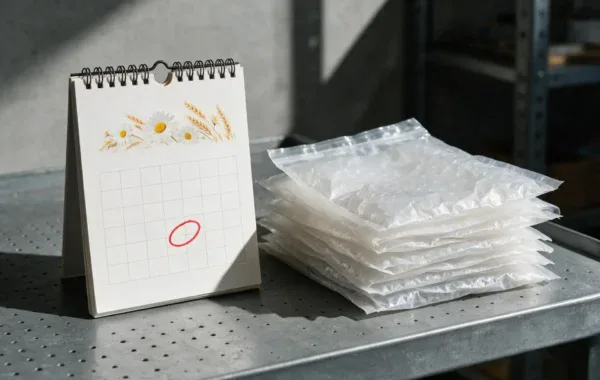
Schemes due by 17 April 2028, with waste surveys already running since January 2026. Why the measurement obligation is smarter sequencing than it appears.

Schemes due by 17 April 2028, with waste surveys already running since January 2026. Why the measurement obligation is smarter sequencing than it appears.
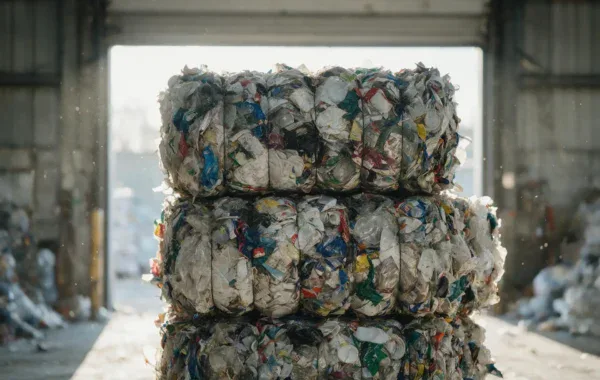
Three recyclates, three price levels, and a spread that has more to do with colour than with polymer. A guide to matching grade to application.
What changed for recyclers rather than for packaging producers. The full calendar to 2040, and why a four-year gap between obligation and investment horizon is the real risk.
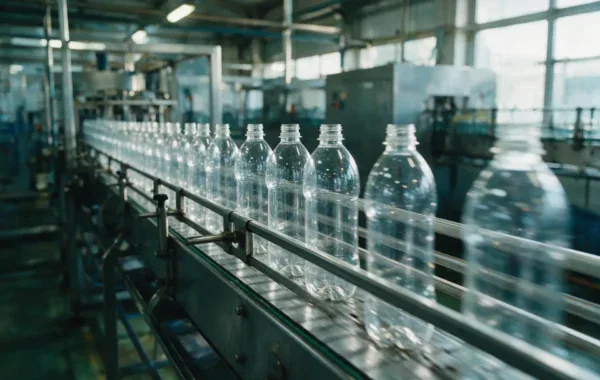
The 25% figure is well known. The way it is measured is not, and the difference explains why rPET demand moved less than the headline suggested.
Harmonised criteria replace twenty-seven national answers to one question. They cover mechanical and physical recycling of thermoplastics, and leave chemical recycling outside.
From 12 August 2026 three PFAS thresholds apply to food-contact packaging in the EU. They measure content rather than migration, and they cover substances nobody added on purpose.
The 25% target has existed since 2025 without a harmonised method for proving it. The draft act closes that gap and settles a decade-old dispute about mass balance.
Full price table with rPET, rHDPE, rLDPE and rPP. Why colour is worth EUR 600 a tonne, and why prices this low signal an industry selling below cost.
15% after six years, 25% after ten, with at least 20% recovered from end-of-life vehicles. Why the closed-loop clause is the substantive part of the regulation.
Detection is settled; exposure and effect are not. Why some studies may overestimate transfer, and three questions that separate useful reporting from noise.