What Are Microplastics?
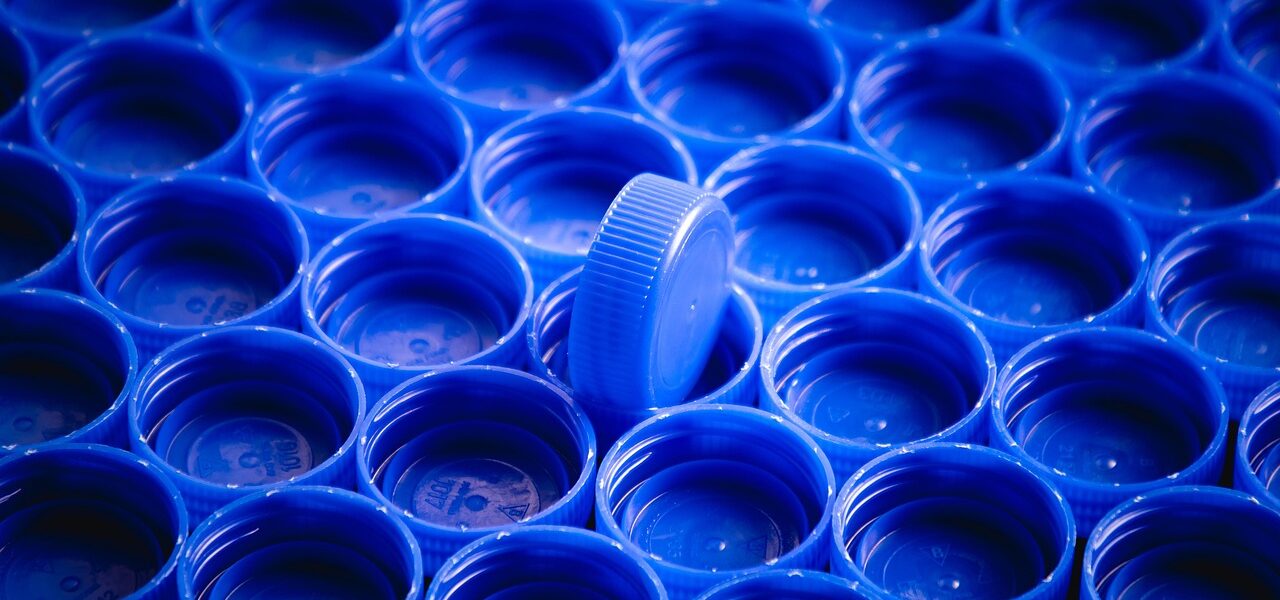
Microplastics are tiny plastic particles smaller than 5 millimetres in diameter — roughly the size of a sesame seed or smaller. Many are invisible to the naked eye, measuring just a few micrometres or even nanometres across. Despite their diminutive size, they represent one of the most pervasive forms of environmental pollution on the planet.
The term was first coined in 2004 by marine biologist Richard Thompson of Plymouth University, who noticed accumulations of tiny plastic fragments in sediment and water samples from coastlines around the world. Since then, microplastics have been detected in every environment imaginable: from the deepest ocean trenches to the peaks of remote mountains, from Arctic sea ice to Antarctic snow, and — as research has confirmed in recent years — in human blood, lung tissue, and placentas.
To understand the scale of the problem, consider this: an estimated 8 to 10 million metric tonnes of plastic enter the world’s oceans every year. Over decades of UV exposure, wave action and mechanical abrasion, larger plastic items fragment into progressively smaller pieces. The resulting particles do not biodegrade; they persist in the environment for hundreds or even thousands of years, accumulating toxins and entering food chains at every level.
Primary vs Secondary Microplastics
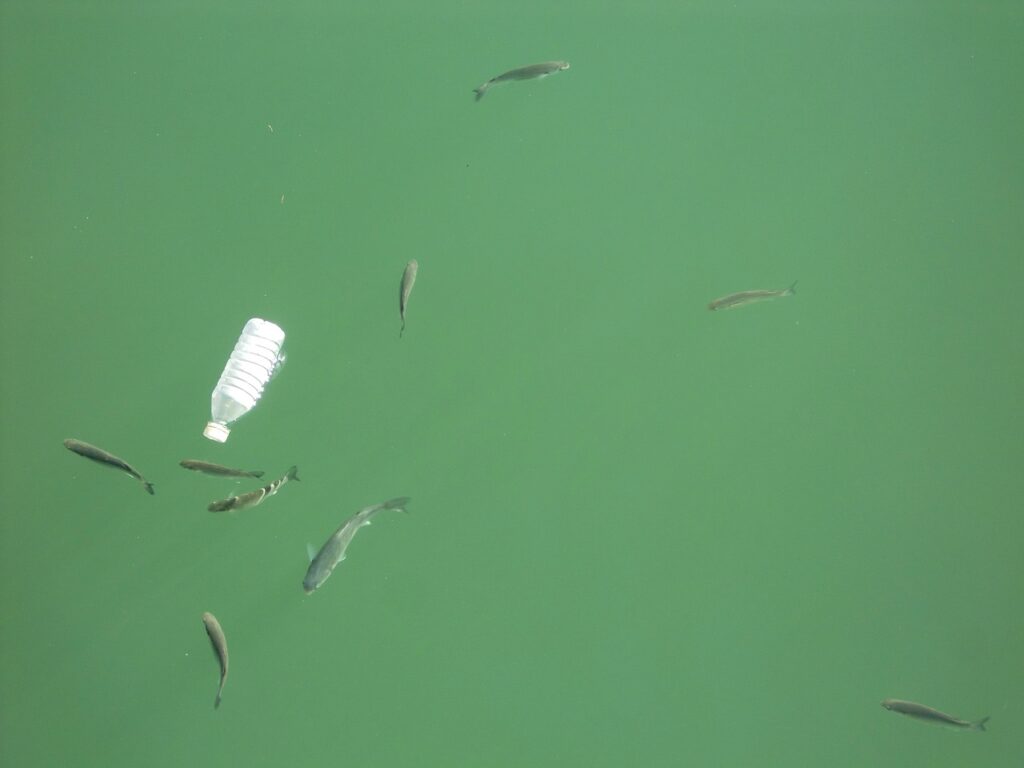
Scientists divide microplastics into two broad categories based on their origin: primary microplastics and secondary microplastics.
Primary Microplastics
Primary microplastics are manufactured at a microscopic scale and are intentionally produced for specific applications. They enter the environment directly as small particles. Key sources include:
- Microbeads — tiny polyethylene spheres added to personal care products such as facial scrubs, toothpastes, and shower gels as exfoliants. Although the EU and several other jurisdictions have now banned intentionally added microplastics in rinse-off cosmetics under REACH regulation, billions of these beads were washed down drains for decades before enforcement.
- Plastic pellets (nurdles) — small lentil-sized granules that are the raw industrial feedstock for all plastic manufacturing. An estimated 230,000 tonnes of nurdles spill into the marine environment annually during transportation and handling.
- Synthetic textile fibres — when polyester, nylon or acrylic garments are washed, they shed hundreds of thousands of microfibres per wash cycle. Studies estimate that a single wash of a fleece jacket can release up to 700,000 fibres. Wastewater treatment plants capture only a fraction of these.
- Plastic powders used in industrial processes, sandblasting, and coatings.
Secondary Microplastics
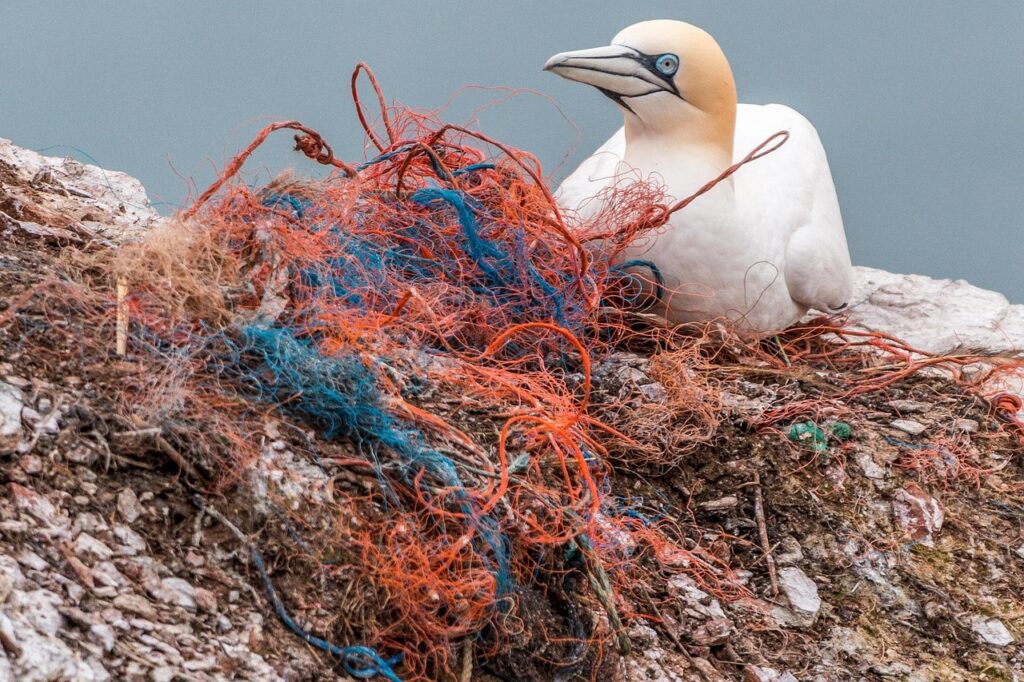
Secondary microplastics form through the breakdown of larger plastic items already present in the environment. Exposure to ultraviolet radiation weakens polymer chains; mechanical stress from waves, wind or vehicle traffic then fragments the material. Sources include:
- Tyre wear particles — one of the largest single sources globally. Each car tyre sheds roughly 100–200 grams of rubber and synthetic polymer particles per year. This is estimated to contribute between 500,000 and 1 million tonnes of microplastics to the environment annually in Europe alone.
- Paint and coatings — road markings, building facades, and marine antifouling coatings all shed microplastic particles over time.
- Degrading plastic waste — littered plastic bags, bottles, packaging films and other single-use items that break down under weathering.
- Agricultural plastic films — mulch films used in intensive agriculture fragment into microplastic particles that mix into soil.
Sources and Pathways of Microplastics
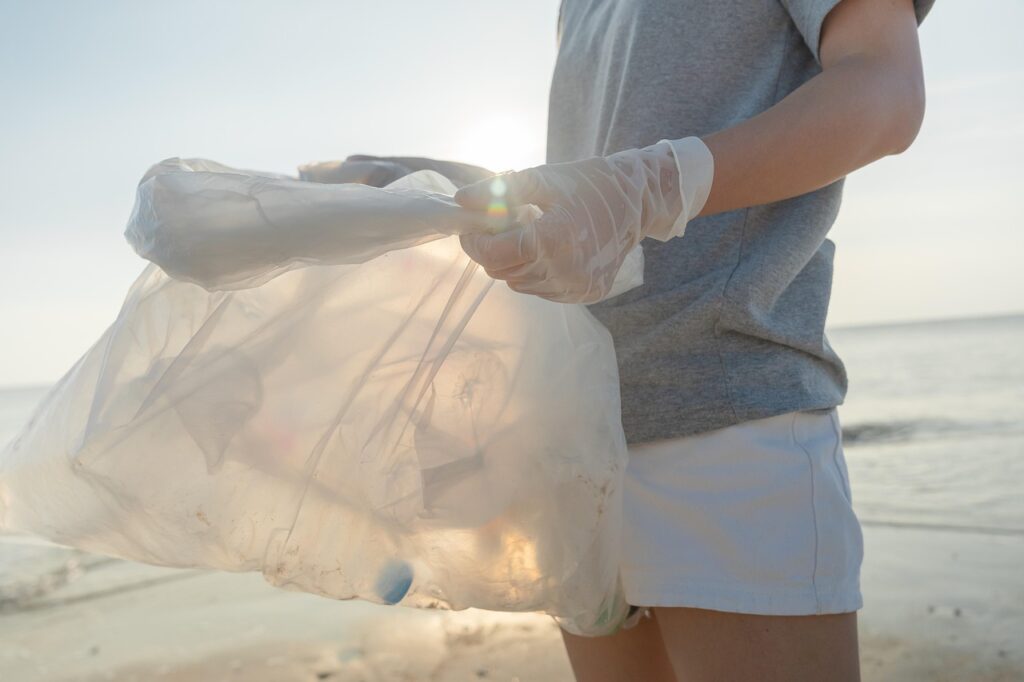
Microplastics reach the environment via multiple pathways. Understanding these routes is essential for developing effective mitigation strategies.
Wastewater Treatment Plants
Modern wastewater treatment plants remove up to 99% of microplastics from effluent, but even a 1% pass-through rate translates to enormous quantities given the volume of water processed daily. Moreover, the captured microplastics end up concentrated in sewage sludge, which is then spread on agricultural land as fertiliser — introducing microplastics directly into soil and groundwater.
Stormwater Runoff
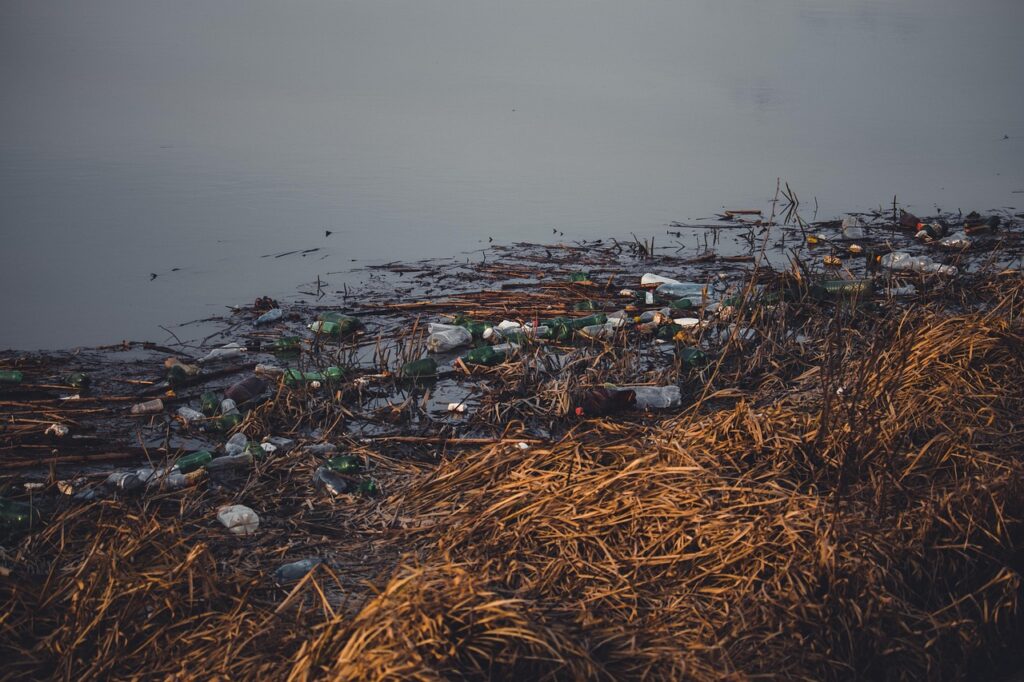
Rainwater picks up tyre wear particles, road paint fragments, and atmospheric deposition from roads and urban surfaces, flushing them directly into rivers and coastal waters without any treatment. This pathway is responsible for a large proportion of tyre wear microplastic contamination reaching aquatic environments.
Atmospheric Transport
Microplastics can be carried by wind over vast distances. Studies have detected microplastic deposition in the Pyrenees mountains and on uninhabited Pacific atolls far from any human settlement, demonstrating that atmospheric transport is a significant pathway for global dispersal.
Industrial Discharges
Textile mills, plastic manufacturing facilities, and other industries may release microplastics in their effluents if water treatment is inadequate. This remains a critical gap in industrial environmental regulation.
Microplastics in Oceans and Freshwater
The ocean is the ultimate sink for most microplastics. Current estimates suggest there are between 15 and 51 trillion microplastic particles floating in the world’s surface waters, with an unknown and potentially much larger quantity settled in seafloor sediments.
Ocean currents concentrate floating plastic debris into gyres — large rotating systems of ocean currents. The Great Pacific Garbage Patch, a region of the North Pacific Ocean, is the most well-known example and covers an area roughly three times the size of France. However, similar accumulation zones exist in all five major ocean gyres.
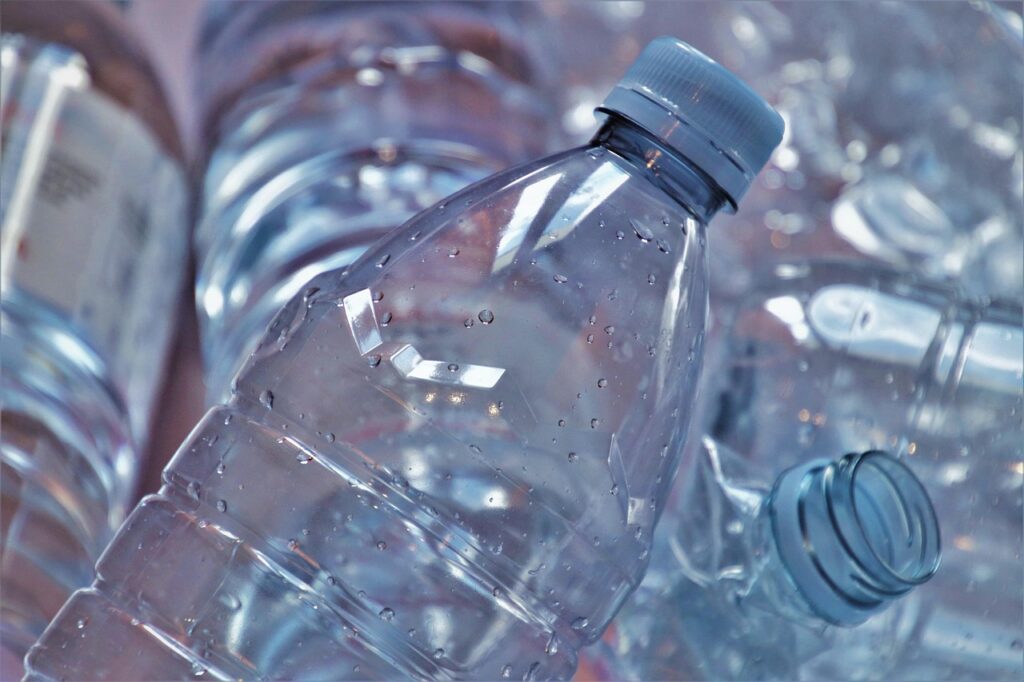
Freshwater systems are also heavily contaminated. A 2019 study in the journal Nature Geoscience found microplastics in the sediments of 84% of the world’s rivers. Lakes serve as microplastic sinks; research on Lake Geneva found concentrations comparable to marine environments. Even drinking water sources are affected: microplastics have been detected in groundwater, rivers, and reservoirs in every region studied.
Impact on Marine Ecosystems
Marine organisms interact with microplastics in several ways. Filter feeders such as mussels, oysters, and baleen whales ingest microplastics indiscriminately while feeding. Zooplankton and fish larvae consume microplastics, mistaking them for food. Seabirds feed plastic fragments to their chicks. Laboratory studies have documented a range of adverse effects:
- Physical blockage of the digestive tract
- Reduced feeding due to false satiation
- Endocrine disruption from adsorbed chemical pollutants
- Oxidative stress and inflammation at the cellular level
- Reduced reproductive success in fish and invertebrates
Microplastics also act as vectors for pollutants. Hydrophobic chemicals such as PCBs, DDT, and PAHs accumulate on the surface of microplastic particles at concentrations up to a million times higher than in the surrounding seawater. When ingested, these toxins can leach into animal tissue — a process that amplifies up food chains through bioaccumulation.
Microplastics in Food and Drinking Water
The contamination of the human food supply by microplastics is now well-established, even if the full extent of exposure remains an active area of research.
Seafood
Given the heavy contamination of marine environments, it is unsurprising that seafood is a significant pathway for human microplastic ingestion. Studies have found microplastics in virtually every species of commercially harvested seafood examined, from mussels and oysters to tuna and cod. People who eat seafood regularly are estimated to ingest tens of thousands of microplastic particles annually through this route alone.
Drinking Water
Microplastics have been detected in tap water, bottled water, and beer across dozens of countries. A 2018 study commissioned by Orb Media found microplastic fibres in 83% of tap water samples from countries including the USA, India, Lebanon and Europe. Concentrations in bottled water were actually higher — possibly because of particle shedding from the plastic bottles themselves during storage and transportation.
Salt, Honey, and Other Food Products
Sea salt harvested from contaminated coastal waters is a known source of microplastic contamination. Studies have found microplastics in table salt, honey, beer, and even fresh fruit and vegetables — likely introduced through irrigation water and atmospheric deposition.
Inhalation
Indoor air quality studies have found microplastic fibres in household dust. People living in highly furnished environments with synthetic carpets and upholstery may inhale thousands of plastic fibres daily. Outdoor air in urban environments contains road dust microplastics as well. A 2019 study estimated that people ingest between 39,000 and 52,000 microplastic particles per year through diet and inhalation combined — with higher estimates for those who drink predominantly bottled water.
Health Effects of Microplastics on Humans
The health implications of microplastic exposure in humans are an urgent research priority. While the long-term effects remain incompletely understood, a growing body of evidence is establishing cause for concern.
Detection in Human Tissue
Microplastics have now been detected in multiple human tissues and body fluids, including:
- Blood — a landmark 2022 study published in Environment International found microplastics in the bloodstream of 77% of healthy adult donors.
- Lung tissue — microplastics were found in all 11 lung tissue samples in a 2022 study, with highest concentrations in the lower lobes.
- Placenta — Italian researchers reported in 2020 the detection of microplastics in human placentas, raising concerns about foetal exposure.
- Stool — eight volunteers from eight different countries all showed microplastics in their faecal samples in a 2018 pilot study.
Potential Health Risks
Based on laboratory studies with animals and cell cultures, potential health risks associated with microplastic exposure include:
- Inflammation — microplastic particles can trigger inflammatory responses in tissue.
- Oxidative stress — disruption of cellular antioxidant defences.
- Endocrine disruption — plasticisers such as phthalates and bisphenol A (BPA), which are present in many plastics and can leach from microplastic particles, are known endocrine disruptors that interfere with hormone signalling.
- Genotoxicity — some studies suggest that certain plastic additives and adsorbed pollutants may cause DNA damage.
- Immune system interference — nanoplastics (particles smaller than 1 micrometre) can cross cell membranes and potentially disrupt immune function.
A major 2024 study published in the New England Journal of Medicine found that patients with microplastics in their carotid artery plaque had a significantly higher risk of heart attack, stroke and death compared to patients without detectable microplastics. This was the first direct evidence linking microplastic body burden to adverse clinical outcomes in humans.
However, it is important to note that establishing clear dose-response relationships and causation in human populations remains challenging. The World Health Organization has called for urgent further research while noting that current evidence is insufficient to draw definitive conclusions about risk levels.
Detection and Measurement Methods
Accurately detecting and characterising microplastics in environmental samples, food and biological tissue requires sophisticated analytical methods.
- Visual sorting and microscopy — samples are filtered and examined under magnification. While relatively inexpensive, visual identification is time-consuming and prone to errors.
- Fourier-transform infrared spectroscopy (FTIR) — identifies the chemical composition of particles, enabling accurate identification of polymer type. Now considered a gold standard technique.
- Raman spectroscopy — similar to FTIR but capable of analysing smaller particles, down to the nanometre scale.
- Pyrolysis gas chromatography-mass spectrometry (Pyr-GC/MS) — burns the sample and analyses the combustion gases to identify plastic polymers. Highly sensitive for small particles.
- Fluorescence microscopy — using fluorescent dyes that bind to plastic polymers to visualise particles in complex matrices.
A significant challenge in the field is the lack of standardised protocols. Different laboratories use different methods, making it difficult to compare results across studies. The development of internationally agreed standards for microplastic analysis is an active priority for bodies including ISO and ASTM International.
EU Regulations and Policy Responses
The European Union has been at the forefront of regulatory action on microplastics, though advocates argue that much more needs to be done.
- REACH Restriction on Intentionally Added Microplastics (2023) — the most comprehensive regulatory measure to date, the European Chemicals Agency (ECHA) restriction on intentional addition of microplastics to products is expected to prevent the release of approximately 500,000 tonnes of microplastics over 20 years. It covers cosmetics, detergents, fertilisers, medicines, and a range of industrial uses, with phase-in periods of up to 12 years depending on the sector.
- Single-Use Plastics Directive (SUP) — bans single-use plastic products most commonly found on European beaches and in the sea, including straws, cutlery, cotton bud sticks and balloon sticks. Reduces the generation of secondary microplastics from littered items.
- Packaging and Packaging Waste Regulation (PPWR) — proposed 2022/revised 2024, aims to reduce overall plastic packaging and improve recyclability, indirectly reducing microplastic generation.
- Urban Wastewater Treatment Directive (revised) — introduces requirements for advanced tertiary treatment of wastewater at large plants, specifically targeting microplastic removal. To be fully implemented by 2045.
- Tyre wear microplastics — under discussion; measures being considered include requirements for tyre abrasion testing and road surface specifications.
At the international level, the Global Plastics Treaty, currently under negotiation by UN member states, aims to address the full lifecycle of plastic including microplastic pollution, with a target of finalising a legally binding instrument.
Solutions and Mitigation Strategies
Addressing microplastic pollution requires action across multiple levels — from individual behaviour to industrial processes to international governance.
Upstream Solutions (Prevention)
The most effective approach is to prevent microplastics from entering the environment in the first place. This means:
- Reducing plastic production overall — less plastic produced means less plastic fragmenting into microplastics over time.
- Designing products for durability and recyclability — plastics that last longer and are genuinely recycled do not become microplastics.
- Substituting plastic microbeads with natural alternatives such as apricot kernel powder, cellulose beads or silica in personal care products.
- Developing non-synthetic alternatives to plastic-based textiles, or fitting washing machines with filters to capture fibres at source.
- Improving tyre and road design to reduce particle generation.
Treatment and Capture Technologies
- Advanced wastewater treatment — membrane bioreactors and advanced filtration can remove over 99.9% of microplastics from wastewater, but require significant capital investment.
- Washing machine filters — retrofittable filters capable of capturing over 90% of microfibres shed during textile washing. Some jurisdictions are now mandating these for new washing machine sales.
- Road run-off treatment — permeable road surfaces and constructed wetlands along highway corridors can capture tyre wear particles before they reach watercourses.
- Beach and river clean-up technologies — specialised boats and collection systems designed to capture floating plastic debris before it fragments further.
Consumer Actions
While systemic change is needed at the industrial and regulatory level, individual actions can reduce personal contribution to microplastic pollution:
- Choose natural fibre clothing (cotton, wool, linen) over synthetic alternatives
- Wash synthetic clothing less frequently, at lower temperatures, and in full loads
- Use a Guppyfriend wash bag or install a Lint LUV-R filter in your washing machine
- Avoid single-use plastics and choose products with minimal plastic packaging
- Use a reusable water bottle instead of buying bottled water
- Keep tyres properly inflated and drive smoothly to reduce tyre wear
Frequently Asked Questions About Microplastics
How small are microplastics exactly?
Microplastics are defined as plastic particles smaller than 5 millimetres in their longest dimension. They range from particles visible to the naked eye (close to 5 mm) down to microscopic particles a few micrometres across. Particles smaller than 1 micrometre (1,000 nanometres) are termed nanoplastics and represent a distinct category of concern because they can cross biological membranes including the blood-brain barrier and the placental barrier.
Are microplastics harmful to human health?
Current scientific evidence indicates that microplastics have been detected throughout the human body, including in blood, lung tissue, and placentas. Laboratory studies show that microplastics can cause inflammation, oxidative stress, and endocrine disruption. A major 2024 clinical study linked microplastics in arterial plaque to significantly elevated cardiovascular risk. However, the full extent of health harm at typical human exposure levels is still being established, and WHO calls for urgent further research.
What are the biggest sources of microplastics in the ocean?
The major sources of ocean microplastics include: tyre wear particles washed into waterways by rain (one of the single largest sources globally), single-use plastic litter that degrades over time, synthetic textile microfibres discharged through wastewater, plastic pellets (nurdles) spilled during industrial transportation, and paint fragments from ships and coastal infrastructure.
Can microplastics be removed from the body?
Currently, there is no established medical procedure to remove microplastics from human tissue. The body’s immune system may encapsulate some larger particles, but nanoplastics that penetrate cells or cross biological barriers are essentially impossible to remove with current technology. The priority must be on reducing exposure through cleaner air, water and food.
What is Europe doing about microplastics?
The EU has enacted the world’s most comprehensive regulatory framework for microplastics to date, including a REACH restriction on intentionally added microplastics (2023), the Single-Use Plastics Directive banning common littered items, and a revised Urban Wastewater Treatment Directive requiring tertiary microplastic removal. The EU is also supporting the UN Global Plastics Treaty negotiations and funding major research programmes including the PLASTICHEAL and AURORA projects.



Leave a Reply