rPET, rHDPE and rPP: which recyclate goes where, and why the prices differ
Three recyclates, three price levels, and a spread that has more to do with colour than with polymer. A guide to matching grade to application.
Category
Guides and news about plastic recycling processes and technologies
Three recyclates, three price levels, and a spread that has more to do with colour than with polymer. A guide to matching grade to application.
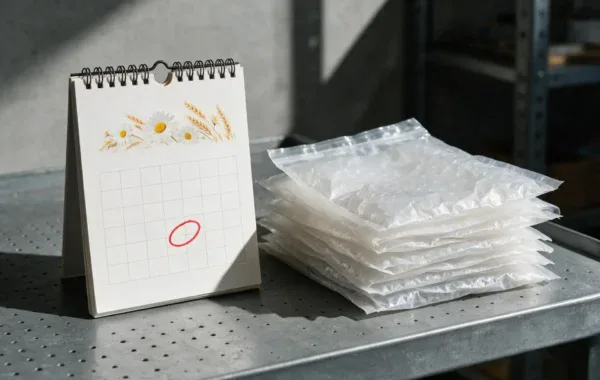
What changed for recyclers rather than for packaging producers. The full calendar to 2040, and why a four-year gap between obligation and investment horizon is the real risk.
The 25% figure is well known. The way it is measured is not, and the difference explains why rPET demand moved less than the headline suggested.
From 12 August 2026 three PFAS thresholds apply to food-contact packaging in the EU. They measure content rather than migration, and they cover substances nobody added on purpose.
Full price table with rPET, rHDPE, rLDPE and rPP. Why colour is worth EUR 600 a tonne, and why prices this low signal an industry selling below cost.
Two dates change how plastic waste moves: 21 May brought new rules and DIWASS, 21 November brings the non-OECD export ban. Why the ban redistributes the problem rather than solving it.
What is polypropylene? Polypropylene (PP) is a thermoplastic polymer made by chain-growth polymerisation of propylene monomer. Discovered independently by several chemists in the early 1950s…
What is PVC? Polyvinyl chloride, universally known as PVC or vinyl, is the world’s third most produced synthetic polymer after polyethylene and polypropylene. Chemically, PVC…
High-density polyethylene — better known as HDPE, or resin identification code 2 — is the workhorse of the rigid plastic packaging world. Every time you…
Polyethylene terephthalate — better known as PET — is the single most recycled plastic in the world. From mineral water bottles to polyester fleece jackets,…