Microplastics are no longer confined to the ocean. They have found their way into the food we eat and the water we drink — and research published over the past decade has documented their presence in an ever-expanding list of food products, from shellfish and fish to table salt, honey, beer, and even fresh vegetables. Understanding how microplastics enter our food supply and what this means for human health is now a critical public health priority.
How Do Microplastics Enter Our Food?
There is no single pathway by which microplastics contaminate food. Multiple routes operate simultaneously, reflecting the ubiquity of plastic pollution in the global environment.
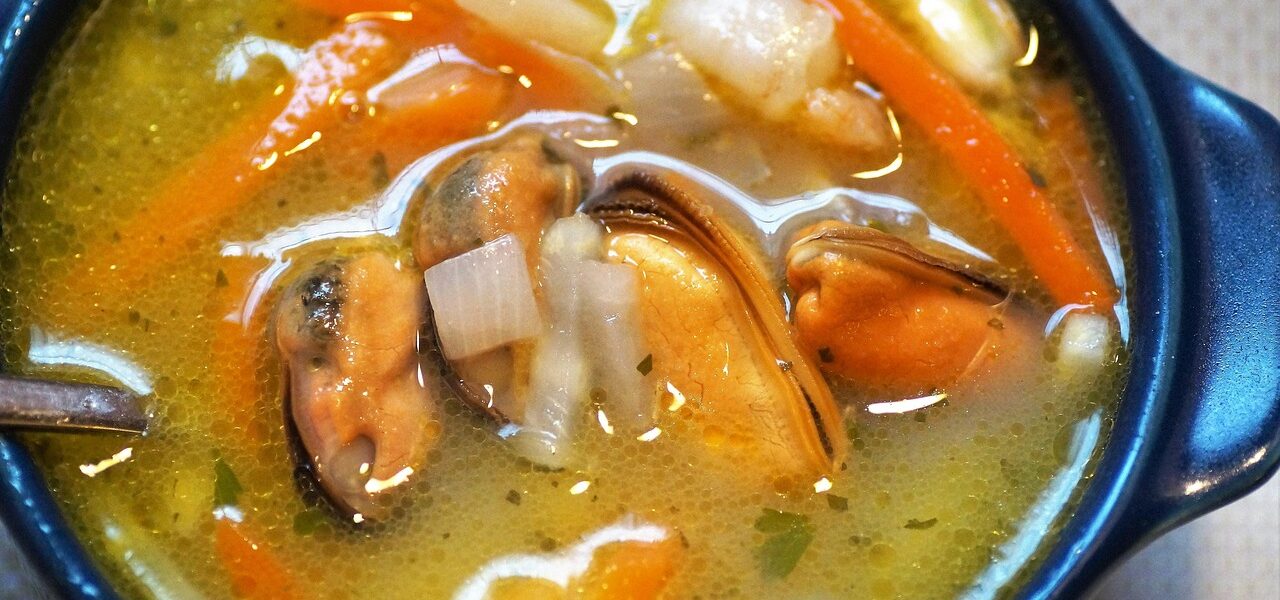
From polluted water: Aquatic food sources — fish, shellfish, seaweed — are exposed to microplastics throughout their lives in contaminated oceans, lakes and rivers. Filter feeders such as mussels and oysters are particularly efficient at concentrating microplastics because they process vast quantities of water to extract nutrients.

From packaging and processing: Plastics used in food packaging, processing equipment and storage containers can shed microparticles, especially when scratched, heated, or exposed to acidic or fatty foods. Studies have shown that certain reusable plastic containers release significantly higher concentrations of microplastics after mechanical dishwashing.
Through irrigation and soil: Agricultural land contaminated with sewage sludge (which concentrates microplastics from wastewater) or plastic mulch films can transfer microplastics into root vegetables, leafy greens, and other crops. Irrigation with polluted water provides an additional pathway.
Via atmospheric deposition: Airborne microplastic fibres and fragments settle on crops in the field, on food during open-air storage, and on surfaces in food preparation environments. This pathway is difficult to quantify but is considered significant in urban areas.
Microplastics in Seafood
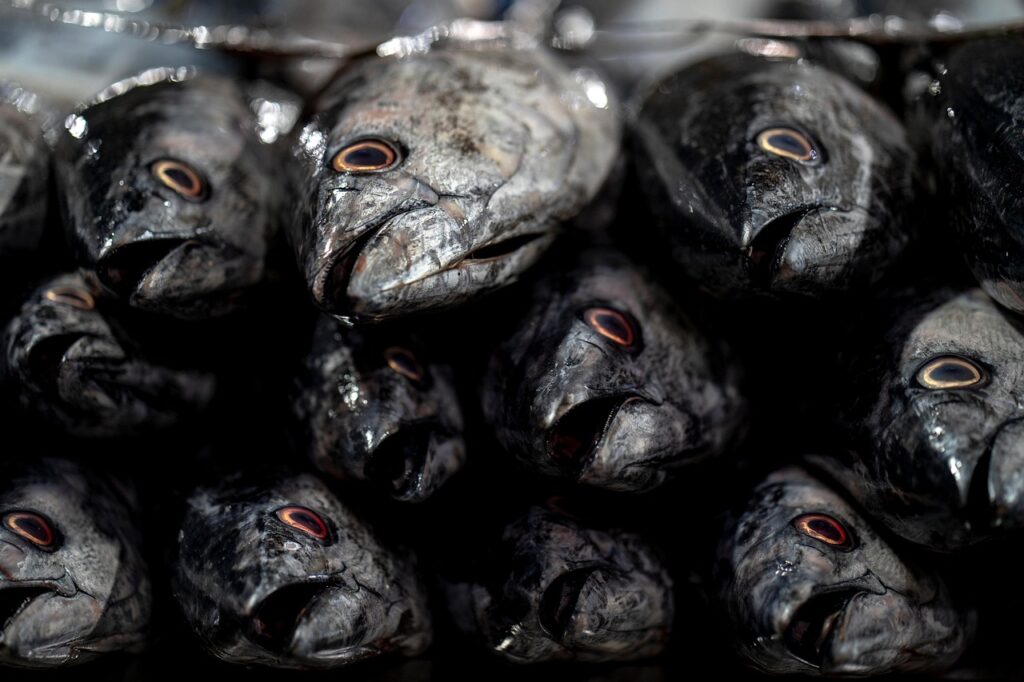
Seafood is the best-studied dietary source of microplastics, owing to the heavily documented contamination of marine environments. The most important finding is that microplastics are present in virtually every commercially harvested marine species that has been systematically tested.
Bivalves (mussels, oysters, clams, scallops) are the most contaminated group. Because the entire organism is consumed — including the digestive tract — and because bivalves are highly efficient filter feeders, they accumulate microplastics at concentrations far above those seen in fish muscle. A 2015 study found an average of 0.36 particles per gram of soft tissue in commercially sold mussels from European markets. A person eating a regular portion (100g) of mussels could ingest approximately 70 microplastic particles.
Fish tend to have lower microplastic concentrations in edible muscle tissue than bivalves, as they have more capacity to excrete particles. However, microplastics have been found in the digestive tracts of over 200 fish species in the wild, including commercially important species such as Atlantic cod, North Sea herring, and various tuna species. People who eat the whole fish — including organs, as is common in many Asian cuisines — have higher exposure.
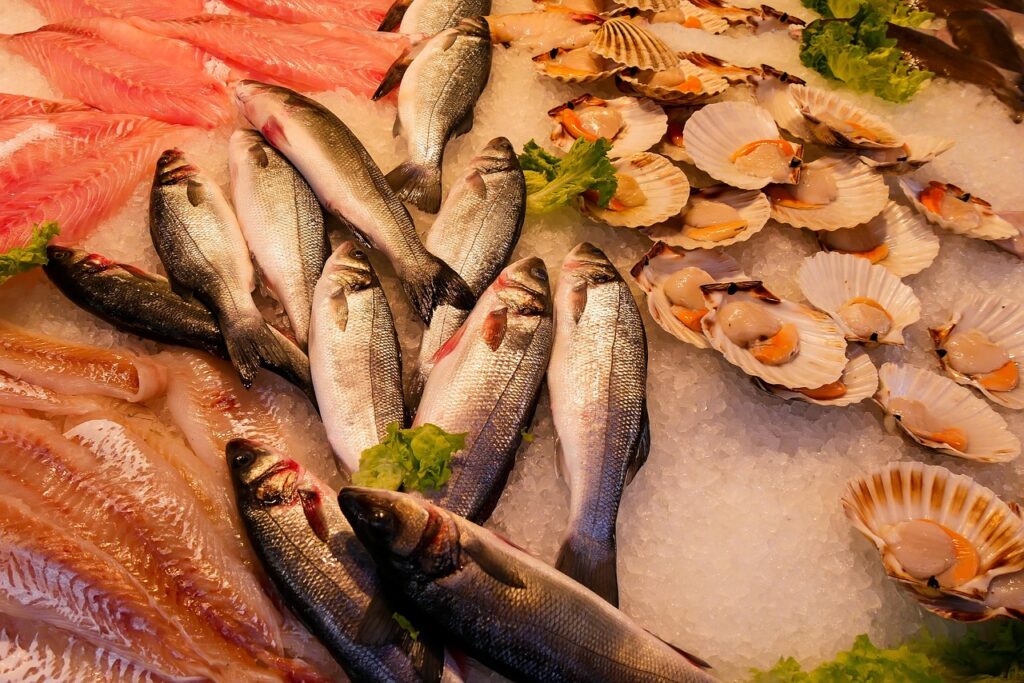
Crustaceans such as prawns, shrimp and crabs show variable microplastic concentrations. When consumed whole (as with smaller shrimp), intestinal contents increase exposure significantly.
A 2020 analysis published in Environmental Science & Technology estimated that regular seafood consumers in Europe and North America could ingest between 11,000 and 30,000 microplastic particles per year through seafood alone.
Microplastics in Drinking Water
Access to clean drinking water is fundamental to health — yet microplastics have been detected in tap water and bottled water across the globe, without exception.
Tap water: A 2018 investigation by Orb Media, in collaboration with the University of Minnesota, tested tap water from 14 countries on five continents. Microplastic fibres were found in 83% of samples globally, with the highest rates in the United States (94%). European tap water was somewhat less contaminated, with 72% of samples containing microplastics.
The source of tap water contamination is primarily the water treatment and distribution infrastructure itself. Plastic pipes and fittings, chlorination processes (which can fragment plastics), and atmospheric fallout into open reservoirs all contribute. Treatment plants remove the majority of particles but do not eliminate all of them.
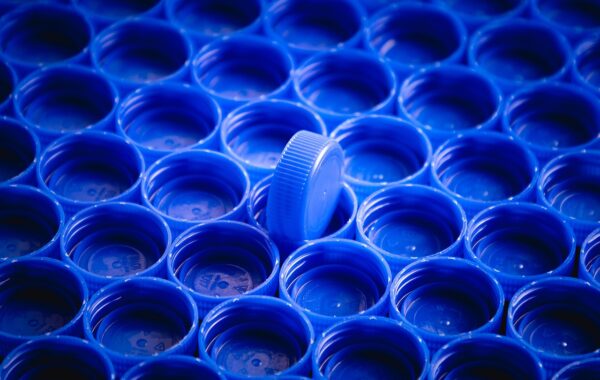
Bottled water: Paradoxically, bottled water contains on average higher microplastic concentrations than tap water. The same 2018 Orb Media study found microplastics in 93% of 259 bottled water samples from 11 brands and 9 countries. The likely sources include the bottle cap, the bottle itself, and the industrial bottling process. A 2019 study in Water Research found polypropylene — the material used in most bottle caps — to be the predominant polymer in bottled water samples.
Beer and soft drinks: Multiple studies have detected microplastics in commercial beers, likely introduced through brewing water. Soft drinks packaged in plastic bottles also show contamination from the packaging.
Microplastics in Salt, Honey and Other Products
The reach of microplastic contamination extends beyond obvious aquatic sources. A systematic review published in 2021 in the journal Environmental Science & Technology catalogued detections across a remarkable range of everyday food products:
- Table salt: Microplastics have been found in sea salt, rock salt, and lake salt from every region studied. Sea salts from Asian markets showed the highest concentrations. A 2018 study examining 39 salt brands from 21 countries detected microplastics in all but one sample. An estimated 37 microplastic particles per 100g were found in some sea salts.
- Honey: A Swiss study detected microplastic fibres and fragments in 15 of 19 honey samples, most of which were synthetic fibres likely introduced through beekeeping equipment and processing.
- Sugar: A German study found microplastic particles in all 10 sugar samples tested, including organic varieties.
- Vegetables and fruit: Root vegetables grown in contaminated soil, and leafy vegetables exposed to atmospheric deposition, have been found to contain microplastics in their edible portions. A 2020 study found polystyrene nanoplastics in wheat and lettuce when grown in contaminated substrate.
- Milk and dairy products: Microplastics have been detected in commercial cow’s milk, likely introduced through plastic tubing and storage equipment in dairy processing.
How Much Microplastic Do We Consume?
Estimating total dietary microplastic exposure is methodologically challenging, given the variety of food types, analytical techniques and exposure scenarios studied. However, several attempts at comprehensive estimates have been made.
A 2019 study in Environmental Science & Technology estimated that US adults ingest between 39,000 and 52,000 microplastic particles per year, with an additional estimated 74,000 particles inhaled annually. People who drink exclusively bottled water rather than tap water could ingest an additional 90,000 microplastic particles per year.
A 2021 review published in The Lancet Planetary Health estimated that global average per capita ingestion of microplastics could be in the range of 5 grams per week — roughly the weight of a credit card — though this figure is contested and depends heavily on assumptions about particle concentrations in food and the body weight of the individual.
What Can Consumers Do?
While systemic changes at industrial and regulatory level are essential for long-term reduction of food microplastic contamination, there are practical steps individuals can take to reduce their personal exposure:
- Choose tap water over bottled water — in countries with safe tap water, this both reduces plastic waste and may reduce microplastic exposure (bottled water typically contains more microplastics than tap water).
- Use a water filter — reverse osmosis filters and some ceramic filters can remove microplastics from drinking water effectively.
- Avoid heating food in plastic containers — heat dramatically increases microplastic and chemical leaching from plastic packaging into food.
- Choose glass, stainless steel or ceramic food containers instead of plastic for storage and preparation.
- Eat lower on the food chain — whole fish and bivalves accumulate more microplastics than plant foods. Diversifying protein sources reduces seafood-related exposure.
- Wash fresh produce thoroughly — while this cannot remove microplastics embedded in plant tissue, it may remove surface-deposited particles.
For deeper reading on the health implications of microplastic ingestion, see our guide to microplastics and human health.
Frequently Asked Questions
Are microplastics in food dangerous?
Current evidence shows that microplastics are present in human tissue including blood and lungs, and laboratory studies document inflammation and endocrine disruption at cellular level. A major 2024 clinical study linked microplastics in arterial plaque to elevated cardiovascular risk. However, definitive dose-response data for humans at typical dietary exposure levels are still being established. Most health authorities recommend precautionary reduction of exposure while research continues.
Which foods contain the most microplastics?
Bivalve shellfish such as mussels and oysters consistently show the highest microplastic concentrations of commercially consumed foods, because they are filter feeders consumed whole. Sea salt, bottled water, and certain fish are also significant sources. Processed foods in plastic packaging and foods prepared or stored in plastic containers can also be important sources depending on individual diet.
Can cooking or processing remove microplastics from food?
Standard cooking processes do not remove microplastics — heat may in fact cause additional leaching of plastic additives from packaging into food. Some studies suggest that certain filtration steps in food processing (such as filtration of beer) can reduce particle counts, but particles below the filter pore size pass through. Currently, there is no simple domestic method to eliminate microplastics from food.

Leave a Reply