Microplastics were once considered a problem confined to marine ecology. Today, they are recognised as a potential human health hazard of global significance. Over the past decade, researchers have detected microplastic particles in human blood, lung tissue, placentas, and stool samples. As the body of evidence grows, the scientific and medical community is working urgently to understand what these particles do once they are inside the human body.
Microplastics Detected Throughout the Human Body
The fundamental prerequisite for any health effect is that a substance reaches the body. Multiple independent research groups have now confirmed that microplastics do precisely that — they are absorbed from food, water and air and distributed to various tissues.
Key studies include:
- Blood (2022): A landmark study published in Environment International by researchers at Vrije Universiteit Amsterdam detected microplastics in the blood of 77 out of 100 healthy adult donors. Polyethylene terephthalate (PET) was the most common polymer found, followed by polystyrene and polyethylene. This was the first peer-reviewed demonstration that microplastics circulate in the human bloodstream.
- Lung tissue (2022): A study published in Science of the Total Environment found microplastic particles in all 11 human lung tissue samples examined, including from deep in the lower lobes — demonstrating that inhaled microplastics penetrate to the deepest regions of the respiratory system. Polypropylene, PET, and resin were among the polymers identified.
- Placenta (2020): Italian researchers published a study in Environment International reporting the presence of microplastics (0.003% of total mass) in human placentas collected after normal deliveries. This study raised significant concern about foetal exposure during pregnancy.
- Stool (2018): The first published evidence that humans excrete microplastics came from a pilot study co-ordinated by the Medical University of Vienna, which found microplastics in 100% of stool samples collected from volunteers in eight countries across three continents.
- Colon polyps and colorectal tissue (2023): Studies have begun to find microplastics directly within human gut tissue, raising the possibility of local inflammatory effects at the intestinal level.
Inflammation and Oxidative Stress
The most consistently documented biological response to microplastic exposure in laboratory models is inflammation. When cells of the immune system encounter foreign particles they cannot break down, they initiate an inflammatory response in an attempt to wall off or destroy the intruder. With microplastics — which are chemically inert and cannot be metabolised — this response may become chronic.
In vitro studies (using human cell cultures) have shown that microplastic particles activate macrophages (immune cells) and trigger the release of pro-inflammatory cytokines, including interleukin-6 (IL-6) and tumour necrosis factor alpha (TNF-α). These same cytokines are associated with a wide range of chronic diseases when persistently elevated, including cardiovascular disease, type 2 diabetes, and certain cancers.
Oxidative stress — an imbalance between free radicals and antioxidants in cells — is another documented effect. Studies in fish and mammalian cell lines show that microplastic exposure increases reactive oxygen species (ROS) production and depletes cellular antioxidant defences. Oxidative stress plays a central role in ageing and the development of chronic diseases.
Endocrine Disruption from Plastic Additives
Plastic polymers are rarely used in their pure form. They contain a complex cocktail of chemical additives including plasticisers, stabilisers, flame retardants, colorants, and antioxidants. Many of these additives are not chemically bound to the polymer and can leach out over time — especially when the plastic is heated, aged, or mechanically degraded into microparticles with higher surface-to-volume ratios.
Several well-studied plastic additives are known or suspected endocrine disruptors — chemicals that interfere with hormone signalling in the body:
- Bisphenol A (BPA) — used in polycarbonate plastics and epoxy resins; a well-established oestrogen mimetic that can disrupt reproductive hormones. Although the EU restricted BPA in food contact materials, its substitutes (BPS, BPF) also show endocrine-disrupting properties.
- Phthalates — plasticisers added to PVC and other polymers to increase flexibility; associated with reduced testosterone levels in men, impaired foetal development in animal studies, and potential effects on female reproductive health.
- Polybrominated diphenyl ethers (PBDEs) — flame retardants that accumulate in human adipose tissue; associated with neurodevelopmental toxicity and thyroid disruption.
- Nonylphenol and other alkylphenols — used as stabilisers; act as oestrogen mimetics and are highly persistent in the environment.
Because microplastic particles have a vastly larger surface area relative to their mass compared to intact plastic items, they are efficient carriers and releasers of these additives into biological tissue.
Cardiovascular Risks: The 2024 Landmark Study
The most compelling evidence to date linking microplastic body burden to clinically significant health outcomes was published in March 2024 in the New England Journal of Medicine. The study, led by researchers at the University of Campania in Italy, enrolled 257 patients undergoing carotid endarterectomy — a surgical procedure to remove plaque build-up from the carotid arteries.
The researchers found microplastics — predominantly polyethylene and polyvinyl chloride — in the excised carotid plaque of 58.4% of patients. These patients were then followed up for three years. The results were striking:
- Patients with microplastics detected in their plaque had a 4.5-fold higher risk of experiencing a major adverse cardiovascular event (heart attack, stroke, or death from any cause) during the follow-up period compared to patients without detectable microplastics.
- The plaques containing microplastics showed histological evidence of greater inflammation — higher infiltration by macrophages — consistent with the inflammatory mechanism proposed in laboratory studies.

This study does not establish causation — it is possible that individuals with more advanced or inflammatory atherosclerosis are simply more likely to accumulate microplastics in arterial tissue. However, the magnitude of the association is remarkable and has substantially elevated the urgency of microplastics health research.
Nanoplastics: The Invisible Threat
Nanoplastics — particles smaller than 1 micrometre (1,000 nanometres) — represent a distinct category of concern. Unlike microplastics, which are too large to cross most cellular membranes, nanoplastics can:
- Cross the intestinal epithelium and enter the bloodstream
- Traverse the blood-brain barrier and accumulate in brain tissue (demonstrated in mice)
- Cross the placental barrier and enter foetal circulation
- Enter individual cells and potentially interact with organelles including mitochondria and the cell nucleus
The nanotoxicological research field is still young, and robust human data on nanoplastic health effects are scarce. However, animal studies have raised concerns about neurotoxicity, reproductive toxicity and developmental effects. The ability of nanoplastics to carry adsorbed chemical pollutants directly into cells is of particular concern from a toxicological perspective.
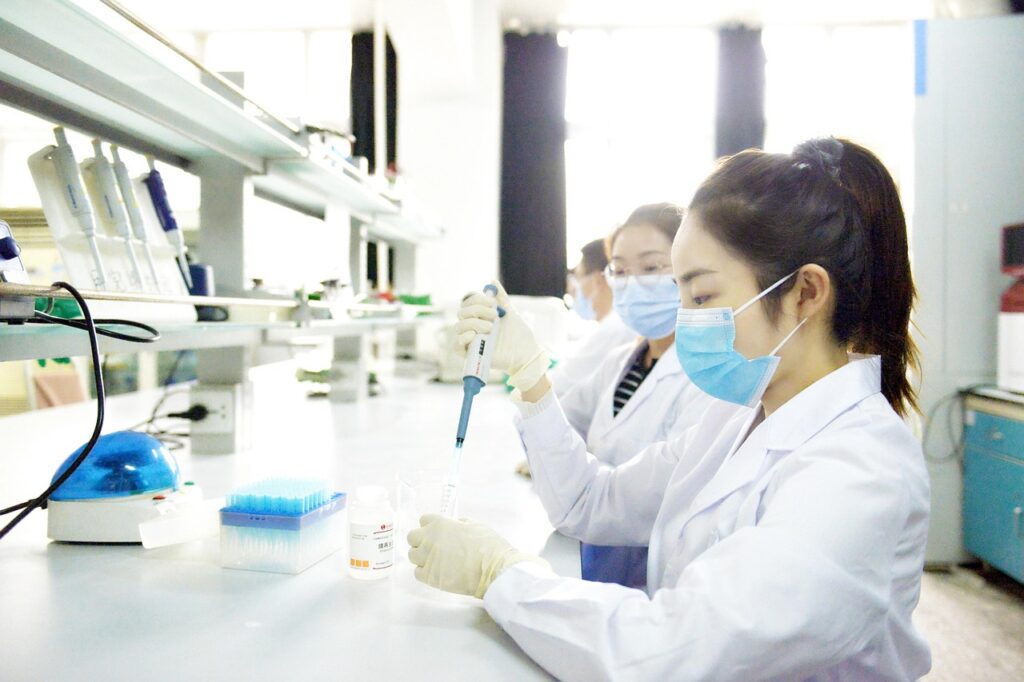
Detecting nanoplastics in complex biological matrices remains technically very challenging, which is why they are under-studied relative to microplastics. Rapid advances in analytical chemistry — particularly in Raman spectroscopy and mass spectrometry — are beginning to make nanoplastic measurement more tractable.
Respiratory Health
Inhalation is an increasingly recognised route of microplastic exposure, with implications for respiratory health. Textile industry workers exposed to high concentrations of synthetic fibre dust have shown elevated rates of pulmonary fibrosis and other respiratory diseases for decades. Whether the lower concentrations encountered by the general public are sufficient to cause measurable harm is under investigation.
Indoor air quality studies have found that synthetic carpets, upholstery and insulation materials shed fibres continuously. People who spend most of their time indoors — which is the majority of people in developed countries — may inhale hundreds or thousands of microplastic particles daily. The detection of polypropylene, PET and resin particles in lung tissue from the 2022 study mentioned above suggests that a proportion of inhaled particles are retained rather than cleared by the mucociliary escalator system.

What Health Authorities Recommend
The World Health Organization (WHO) published a report on microplastics in drinking water in 2019, concluding that at current exposure levels the risk to human health was not clearly established, but calling for urgent further research and action to reduce plastic pollution. The report explicitly noted that this was an area of rapidly evolving science.
The European Food Safety Authority (EFSA) published a scientific opinion on microplastics and nanoplastics in food in 2016 and conducted a comprehensive review in 2023, highlighting significant uncertainties in characterising exposure and hazard but noting potential concern particularly for nanoplastics.
No major health authority has currently issued specific clinical guidance on managing individual microplastic exposure, beyond general recommendations to reduce use of single-use plastics and unnecessary plastic packaging in food applications. Most authorities stress the need for more research before definitive risk thresholds can be established.
For a comprehensive overview of microplastic sources, distribution and policy context, visit our complete guide to microplastics.
Frequently Asked Questions
Are microplastics carcinogenic?
There is currently insufficient evidence to classify microplastics as carcinogenic in humans. Some plastic additives (such as certain PAHs adsorbed on microplastic surfaces) are established carcinogens, and laboratory studies show that microplastics can cause oxidative stress and genotoxic damage in cell cultures. However, demonstrating carcinogenicity in human populations at environmental exposure levels requires large epidemiological studies with long follow-up periods — these are still in progress. The International Agency for Research on Cancer (IARC) has not yet issued a classification for microplastics specifically.
Can the body eliminate microplastics?
The body can expel some microplastics through excretion — studies confirm that microplastics ingested with food do pass through the gastrointestinal tract and are excreted in stool. However, a portion of particles, particularly smaller ones, are absorbed across the gut wall and distributed in the bloodstream and tissues. Nanoplastics that penetrate cells are essentially impossible to remove with current medical technology. There are no established clinical interventions to reduce microplastic body burden.
Are children more vulnerable to microplastic health effects?
Children may face higher relative exposure due to more frequent hand-to-mouth behaviour, higher respiration rates relative to body weight, and more time spent on floors where microplastic particle concentrations tend to be higher. Developmentally, children are also more vulnerable to endocrine-disrupting chemicals, as their hormonal systems are actively developing. The detection of microplastics in human placentas indicates that foetal exposure begins before birth. Paediatric health researchers have highlighted children as a particularly important population for ongoing study.



Leave a Reply