Plastic Recycling: The Complete Guide to Processes, Rates and the Future in Europe
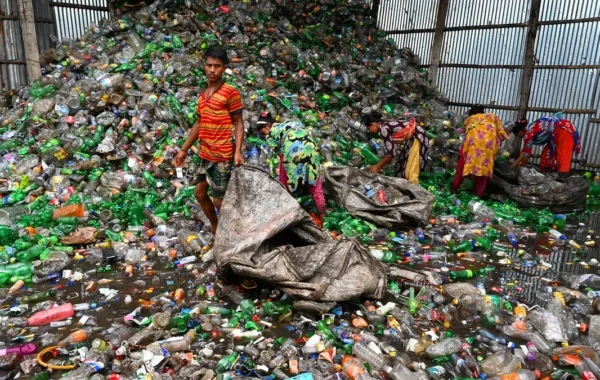
What is plastic recycling? Plastic recycling is the process of recovering used plastic waste and reprocessing it into new, usable materials — either the same…

What is plastic recycling? Plastic recycling is the process of recovering used plastic waste and reprocessing it into new, usable materials — either the same…
How Microplastics Form: The Science Behind Plastic Fragmentation Microplastics — plastic particles smaller than 5 millimetres — have become one of the most pervasive environmental…
Design for Recycling: How Product Design Shapes Recyclability Approximately 91% of all plastic ever produced has never been recycled. While inadequate collection infrastructure and low…
Waste-to-Energy: Role, Limits and Place in the Circular Economy Waste-to-Energy (WtE) refers to the process of generating electricity, heat or both from the combustion or…
How to Reduce Microplastic Pollution: Solutions That Actually Work Microplastics are now found in human blood, the deep ocean trenches of the Mariana, Arctic sea…
Microplastics in Drinking Water: What the Evidence Shows In 2019, the World Health Organization published a landmark assessment concluding that microplastics are present in virtually…
What Is Extended Producer Responsibility (EPR)? Extended producer responsibility (EPR) is an environmental policy approach that makes manufacturers, importers, and brand owners financially and operationally…
How Are Recycling Rates Measured in Europe? Understanding recycling rates in Europe starts with knowing how they are calculated. Eurostat, the EU’s statistical office, measures…
How Much Plastic Is in the Ocean? The scale of ocean plastic pollution has reached a level that scientists describe as a planetary emergency. According…
What Is the Circular Economy? The circular economy is an economic model designed to eliminate waste and keep materials, products, and resources in use for…