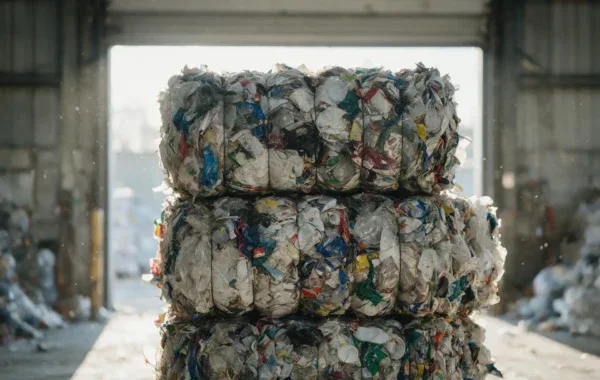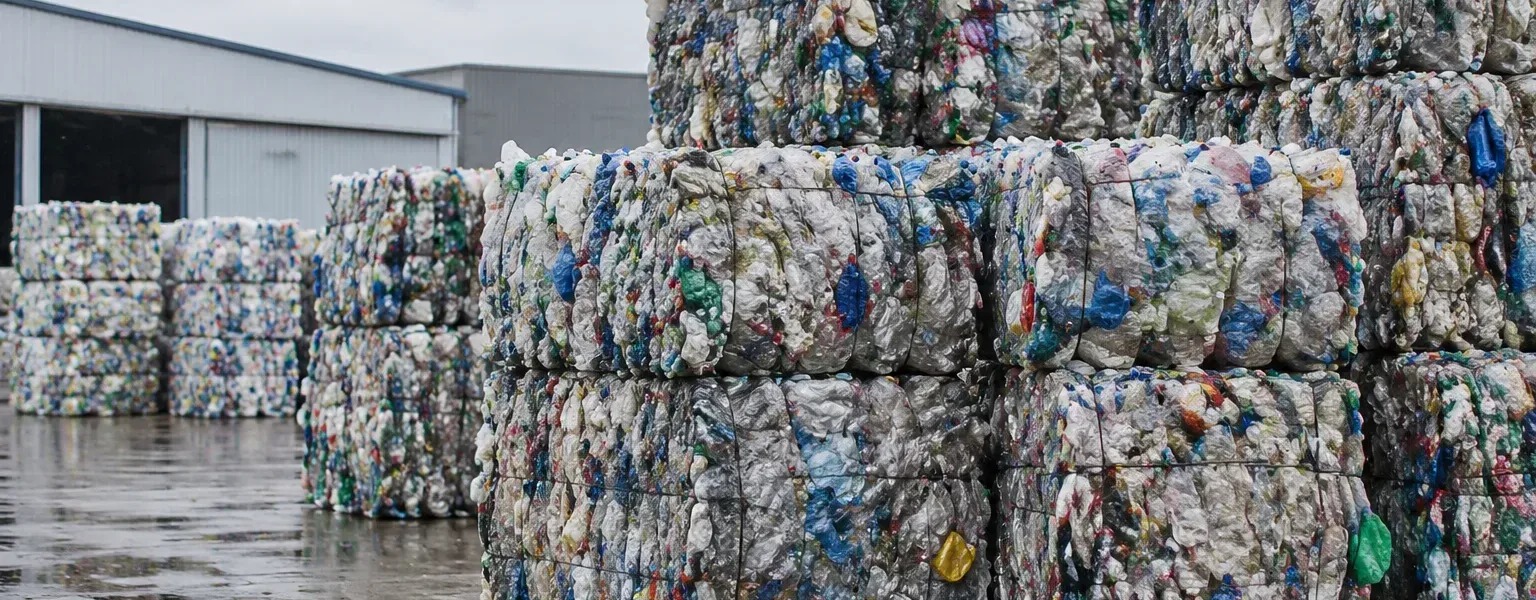
Europe’s plastics recyclers took their problems to the highest political table on 12 October. At the Environment Council in Luxembourg, Italy’s deputy environment minister Vannia Gava presented a note warning that the sector is in an “unprecedented crisis”. Six member states backed her: Portugal, the Netherlands, France, Spain, Belgium and Latvia. All of them fear that Europe is losing recycling capacity it will need. The note turns the plastics recycling crisis EU recyclers have been describing for months into a political request with six demands, among them customs codes for recyclate and state aid. Commissioner Jessika Roswall answered with a list of work in progress. She set no deadlines and offered no new money.
The diagnosis behind the note
Italy raised the issue under “any other business”. This agenda slot lets a government put a topic before ministers without asking for a formal decision. The Council document, number 14077/26, is dated 9 October. Its title is “Towards a stable and Competitive EU market for Secondary plastic raw materials”.
The note lists causes that the Commission itself recognised in a communication in December 2025. Markets for recyclate are fragmented. Energy is expensive. Prices for virgin polymers are low and volatile. Cheap imports often consist of virgin plastic declared as recycled material.
The capacity figures are stark. EU recycling capacity stood at about 13.2 million tonnes in 2023 and has stopped growing. The Commission expects a net loss of around 1 million tonnes by the end of 2025. Plastics Recyclers Europe reported in late 2025 that close to 1 million tonnes of capacity had disappeared in about three years. The losses hit PET, polyolefin films, HDPE, PP and other polymer streams. That is a gross figure, because some new plants opened over the same period.
Only about 13% of plastics produced in the EU come back as new plastics. The EU’s circular material use rate, which covers all materials, stands at 12.2% against a 2030 target of 24%. The numbers fit the picture of stalling circularity in Plastics Europe’s 2026 data, and the market squeeze described in the BIR report published this month.
Rome asks for six things
Italy collects plenty of plastic, and its collection rates rank among the highest in Europe. Its trouble is weak demand for secondary raw materials. Sorted material moves out more slowly. Recycling plants are closing, and so are SRF facilities, which turn residues into solid recovered fuel. Plasmix, the mixed plastic residue left after sorting, and mixed polyolefins find no buyers. Sorting centres fill up and the fire risk grows. Gava summed up the core issue as “the lack of markets for sorted and recycled plastics”. In other words, Italy can sort plastic but struggles to sell it.
The note asks the Commission for six things:
- tighter import checks, with separate customs codes for recyclate and virgin polymer, EU certification of recycled content, audits of plants abroad, the burden of proof on importers and a look at extending CBAM, the EU carbon border levy, to polymers
- more demand, through milestones towards the recycled content targets of the PPWR, the EU packaging regulation, and recycled content rules for cars, construction, electronics and durable goods
- economic help, including state aid changes that allow tax relief for using secondary raw materials, energy cost relief, temporary support for plasmix and contracts for difference
- a relaunch of the Circular Plastics Alliance
- regular monitoring of the crisis together with member states
- a swift presentation of the Circular Economy Act
France adds a preference for EU recyclate
France went further than a statement of support. Paris called for mandatory recycled content requirements and a preference for recyclate made in the EU. It wants imported recyclate accepted only when the waste was collected and processed under equivalent health and environmental conditions. It also asked for separate customs codes for rPET and virgin PET, the polymer used in drinks bottles.
Italy used the meeting to stake out its position on EU end-of-waste criteria for plastics. These rules decide when processed waste stops being waste and becomes a product again. Rome supports them. According to the note, the lack of such criteria costs the Italian sector around €120 million a year.
Italy wants the regulation limited to mechanical or physical recycling into new plastics. National criteria and permits for other uses should remain in place, it argues. Those uses include additives for asphalt, bituminous membranes, feedstock for chemical recycling and reducing agents in steelmaking. Italy also says a single limit on foreign contaminants does not suit mixed post-consumer plastics.
Both governments want European material shielded from cheap imports and outlets kept open for the hardest streams.
Roswall’s answer came without dates
Commissioner Roswall did not reply point by point. She said work is under way on special customs codes for some recyclates, on EU end-of-waste criteria and on easier shipments of waste for recycling. She added that the coming Circular Economy Act will strengthen the market for secondary raw materials on both the supply and the demand side. The Commission has announced the act for 2026 but has not given a date.
Her answer set no timetable for any measure. It offered no financial support, although Italy’s note asks for tax relief, energy cost relief and contracts for difference. The Circular Plastics Alliance, which Italy wants relaunched, already had a relaunch from the Commission on 8 April 2026.
For recyclers, the next firm date sits in the PPWR. The Commission is due to adopt implementing and delegated acts under Article 7 by 31 December 2026. They will set how recycled content from EU post-consumer waste is counted and when recyclate from third countries counts as equivalent. They will also set sustainability criteria for recycling technologies. The call for evidence closed on 16 September. Meanwhile, from 21 November 2026, the EU bans exports of non-hazardous plastic waste to countries outside the OECD, the club of mostly industrialised economies. That removes one outlet for surplus material. A recycler planning for 2027 should watch the Article 7 texts closely and budget without any support from Brussels.
Frequently asked questions
What did Italy ask for at the Environment Council?
Italy presented six demands: tighter import controls with separate customs codes, measures to boost demand for recyclate, economic support for recyclers, a relaunch of the Circular Plastics Alliance, regular crisis monitoring and a swift Circular Economy Act. Portugal, the Netherlands, France, Spain, Belgium and Latvia supported the initiative.
How much recycling capacity has Europe lost?
EU plastics recycling capacity was about 13.2 million tonnes in 2023 and has stopped growing. The Commission expects a net loss of around 1 million tonnes by the end of 2025.
Did the Commission commit to any deadlines?
No. Commissioner Jessika Roswall described work on customs codes, end-of-waste criteria and easier waste shipments, and said the Circular Economy Act will strengthen the market, but she gave no dates and announced no financial support.