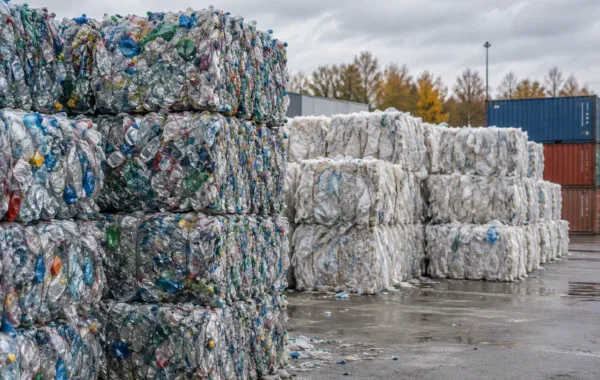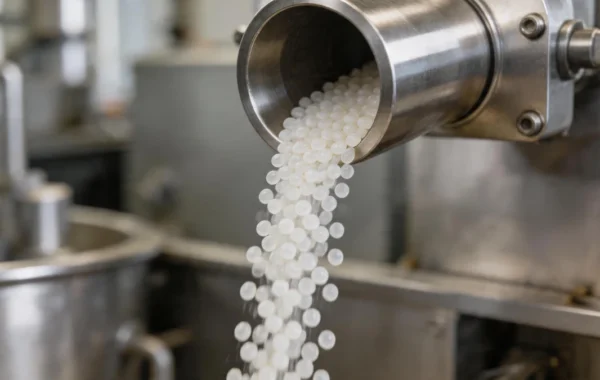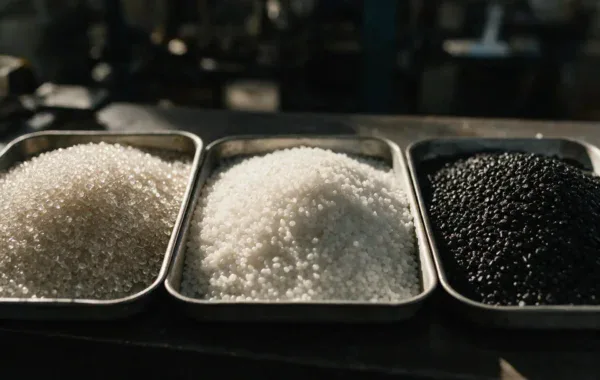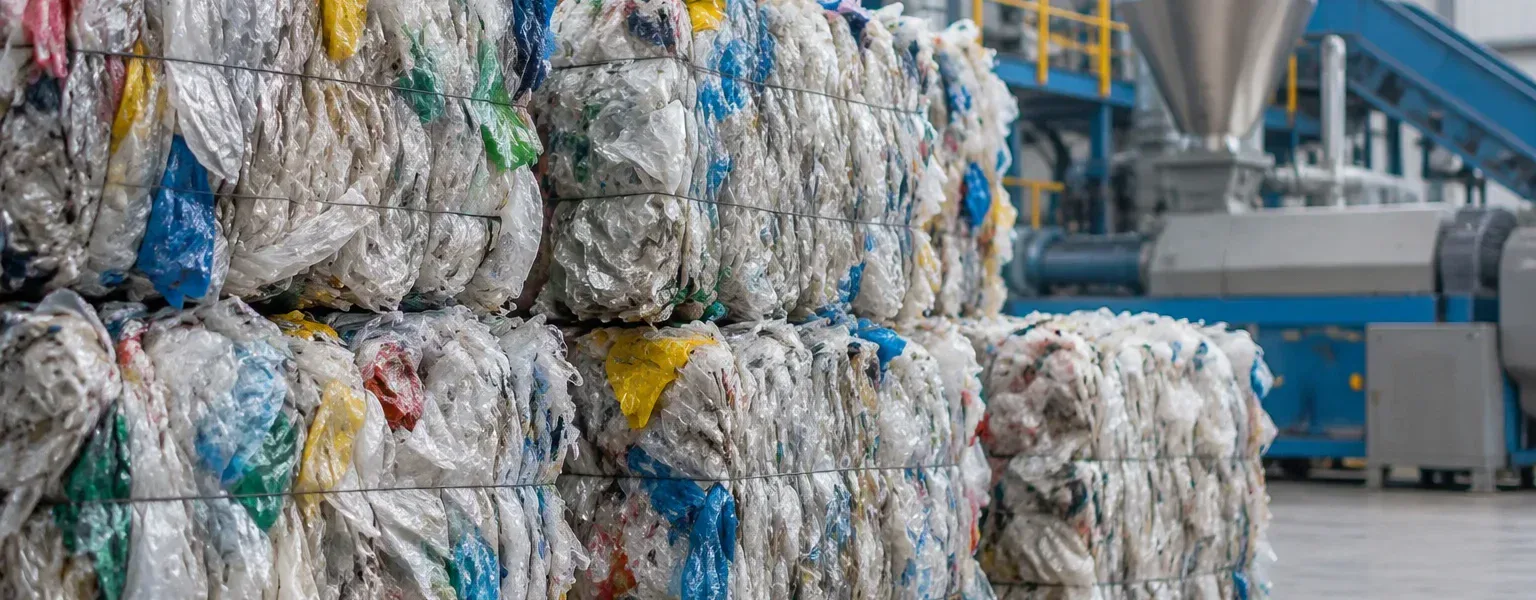
Borouge International is adding 14 kt (thousand tonnes) a year of mechanical recycling in Germany and Austria while most of the market moves the other way. The company, formerly known as Borealis, announced on 7 October that it will expand two European sites, one serving rigid applications and one serving flexible packaging. It did not disclose the investment amount. The timing is unusual. German PET recyclers came under pressure in September, and the BIR calls current conditions in Europe bleak. Plastics Recyclers Europe has counted nearly 1 million tonnes of lost capacity in about three years. The contrast shows where polyolefin recycling capacity in Europe is heading: towards large groups that can sell recyclate alongside virgin polymer.
Two plants, two different streams
The larger project is in Niedergebra, Germany, at the site formerly run by mtm plastics GmbH. It will add nearly 9 kt a year of recyclate made from mixed post-consumer polyolefin waste. Polyolefins are the polyethylene and polypropylene family, the plastics behind most tubs, caps, crates and films. The Niedergebra output is meant for rigid applications. Production is scheduled to start in the first quarter of 2027.
The second project is in Wildon, Austria, formerly Ecoplast. From the fourth quarter of 2027 it will produce up to 5 kt a year of recycled polyethylene (rPE), mainly for flexible packaging.
Both sites belong to a wider network. Borouge already operates a plant in Elin Pelin, Bulgaria, with more than 20 kt a year of post-consumer recycled polypropylene (rPP). It also runs the Syndigo plant in Indiana in the United States, which handles PE films. Its recyclates are sold under the Borcycle M and Recleo brands. Each material behaves differently in a mould or on a film line, as our guides to how HDPE is recycled and polypropylene recycling explain. Borouge says the aim in each case is to help buyers meet recycled content requirements, including those of the PPWR, the EU regulation on packaging and packaging waste.
A market still waiting for autumn
These plants will enter a market that is far from buoyant. EUWID reported on 8 October that German PET recycling was under pressure in September. Supply of post-consumer bottles was high, while demand for flakes and regranulate was weaker. Clear flakes held up better than coloured ones.
The wider German plastic waste market fared little better. After the summer break it saw only a moderate recovery, EUWID wrote on 9 October. Activity rose slightly in September, and the market stayed largely stable. German exports of plastic waste fell by slightly more than 10% in the first half of 2026, to around 367,000 tonnes. Their value fell even further.
The BIR’s World Mirror on Plastics, published on 12 October, gives the same picture for Europe as a whole. The recovery many expected after the holidays did not arrive. Demand is subdued, buyers are cautious and material is plentiful. That leaves recyclers “minimal scope” to raise prices. PE and PP recyclate prices range from stable to slightly lower, depending on quality and application. Natural and transparent LDPE and HDPE grades are doing better than mixed coloured industrial grades. rPP has little power to push prices up. Our report on the squeeze facing European recyclers looks at the BIR findings in more detail.
Who is losing capacity?
The longer view explains why a 14 kt announcement draws attention. Plastics Recyclers Europe reported at the end of 2025 that Europe had lost close to 1 million tonnes of recycling capacity in roughly three years. The losses cut across PET, polyolefin films, HDPE, PP and other streams. Preliminary data for 2025 showed closures speeding up. Against a 2023 base of about 13.2 million tonnes, ScrapMonster puts the loss at around 7.5%. That is a gross figure, because new capacity also came on stream during the period.
PRE names three causes: high operating costs, weak competitiveness against virgin plastics and cheaper imports. The BIR notes that “substantial capacity closures” have been visible since 2023, though it still rates the long-term outlook as positive.
A standalone recycler faces those pressures on its own. A recycler owned by a polymer producer has more room. It can offer recyclate next to virgin grades, use an existing sales network and give customers a single supplier for both. Dirk Langhammer, Senior Vice President Circular Solutions at Borouge International, framed the move in those terms: “Circular materials are a strategic resource for Europe and around the world.” The investments, he said, give “an even larger range of customers more reliable access”.
What buyers can expect in 2027
For converters and brand owners buying recycled polyolefins, the near-term picture is mixed. The new volumes are small next to the losses PRE has recorded. Neither Borouge line will run before 2027. Until then, buyers face ample supply and PE and PP recyclate prices that are flat to slightly softer. Our recyclate price curve from the end of June shows where values stood before the summer. In this market, purchasers have room to negotiate.
From 2027 the choice widens in specific places. Rigid applications gain a new source of mixed polyolefin recyclate from Niedergebra. Flexible packaging gains more rPE from Wildon. Buyers who need steady quality to meet PPWR requirements will find a large supplier keen to sign them up early. The price of that convenience is closer dependence on a company that also sells them virgin polymer.
Independent recyclers have a harder road. Natural and transparent grades still find buyers, while mixed coloured material struggles. Plants that can steer output towards cleaner streams, or lock in long contracts with packaging customers before the new lines start, have the best chance of keeping their own capacity running as integrated groups add theirs.
Frequently asked questions
How much recycling capacity is Borouge adding in Europe?
A total of 14 kt a year: nearly 9 kt at Niedergebra in Germany, due to start in the first quarter of 2027, and up to 5 kt of rPE at Wildon in Austria from the fourth quarter of 2027. The investment amount has not been disclosed.
How is the German plastics recycling market performing?
EUWID reported that German PET recycling was under pressure in September, with high bottle supply and weaker demand for flakes and regranulate. German plastic waste exports fell by slightly more than 10% in the first half of 2026, to around 367,000 tonnes.
How much recycling capacity has Europe lost?
Plastics Recyclers Europe reported a loss of close to 1 million tonnes in about three years. It blamed high operating costs, weak competitiveness against virgin plastics and cheaper imports, and preliminary 2025 data showed closures accelerating.